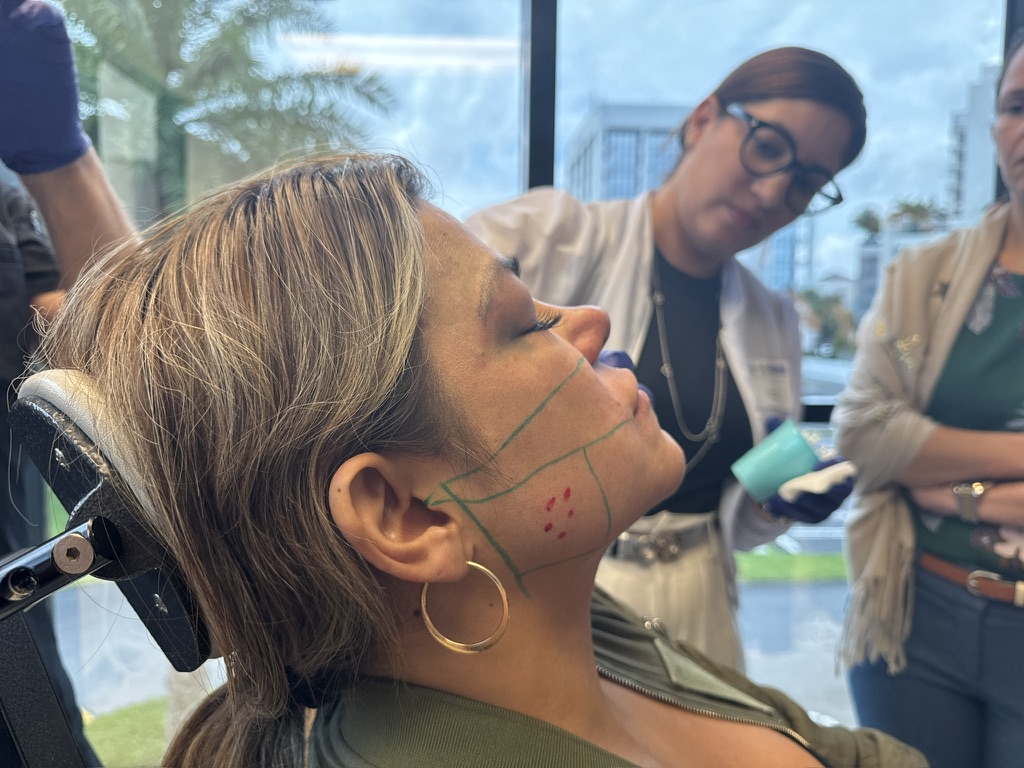
The demand for Botox and dermal filler training for dentists continues to grow as patients seek more comprehensive care that goes beyond the teeth. Today’s dental practices are evolving to include facial aesthetics, allowing providers to improve both function and appearance while increasing revenue and patient satisfaction.
If you’re a dentist considering adding injectables, this guide will walk you through why Botox and dermal fillers matter in dentistry, how to implement them, and what it takes to get started with proper training.
Why Botox & Dermal Fillers Matter in Dentistry
Integrating Botox and dermal filler treatments into your dental practice is not just about aesthetics. It’s about delivering more complete care.
Expand Your Practice with High-Value Services
Adding injectables allows you to introduce high-revenue, low-overhead procedures without significantly changing your workflow. These treatments require minimal chair time and can quickly become one of the most profitable services in your practice.
Treat More Than Just Teeth
Botox is widely used in dentistry to treat:
• TMJ disorders
• Bruxism
• Orofacial pain
• Muscle tension
This makes Botox a functional treatment tool, not just a cosmetic service.
Improve Clinical Outcomes
Botox and dermal fillers allow dentists to:
• Enhance smile design
• Improve facial symmetry
• Support perioral structures
• Protect restorations like veneers and implants
By managing muscle activity and restoring volume, dentists can deliver more predictable, long-term results.
Meet Growing Patient Demand
Patients are actively searching for Botox and dermal filler treatments. When you offer these services in-house:
• You build trust
• Increase case acceptance
• Keep care centralized
Create a Recurring Revenue Stream
Injectables require maintenance, which leads to:
• Repeat patient visits
• Increased retention
• Higher lifetime patient value
This not only supports consistent revenue but also reinforces ongoing patient care and engagement.
Checklist: Is Your Practice Ready for Injectables?
Before adding Botox and dermal fillers, use this checklist to evaluate your readiness:
Clinical Training
• Completed Botox and dermal filler training for dentists
• Hands-on experience with live patients
• Understanding of facial anatomy and injection techniques
Treatment Scope
• Offering services within the oral and maxillofacial region
• Including both therapeutic and aesthetic applications
Documentation
• Proper consent forms
• Treatment records (lot numbers, dosage, injection sites)
Inventory Setup
• Medical-grade refrigerator for storage
• Inventory tracking system
Scheduling & Billing
• Dedicated appointment types
• Clear pricing structure
• Workflow integration
Follow-Up & Patient Retention
• Post-treatment follow-up protocols (24–48 hours check-in)
• Clear rebooking timelines for maintenance treatments
• System for tracking and re-engaging injectable patients

The Role of Your Dental Team in Success
Your team plays a major role in the success of Botox and dermal filler services in dentistry.
Front Office Confidence Matters
Patients take cues from your team. When your staff is confident, patients are more likely to be interested.
Position Injectables as Clinical Care
Focus on benefits like:
• Jaw pain relief
• Reduced muscle tension
• Improved facial balance
• Enhanced smile outcomes
Identify Ideal Candidates
Look for patients who mention:
• Clenching or grinding
• Headaches
• Facial discomfort
• Aesthetic concerns